AI Safety for Builders
Micro Fellowship
4–6 weeks. Small teams (2–5). Real AI safety tools, shipped.
- 4–6 weeks
- Online
- Part-time
- Small teams (2–5)
- Free
- Application deadline
- 30 November 2026, 11:59 PM Anywhere on Earth
- Fellowship dates
- Tentatively starting the 2nd week of December, running 4–6 weeks (depending on mentor schedule)
- Expected weekly commitment
- Recommended ~10 hours per week over 4–6 weeks
Mentors
Meet our mentors
Builders, researchers and policy experts from industry, academia and independent practice. Each has scoped an AI safety tool for a team of fellows to build.
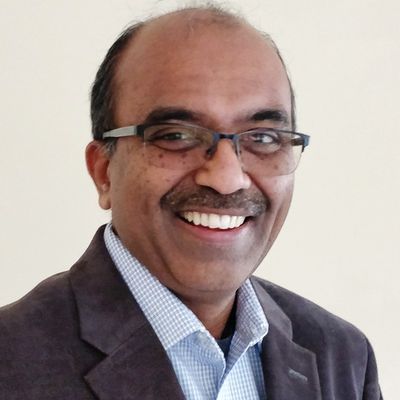 Kiran KadekoppaIIDA Labs
 Claire LiuByteDance
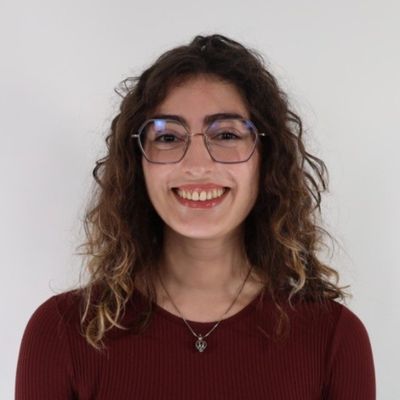 Jeanne Marie Jacqueline VincendeauIndependent
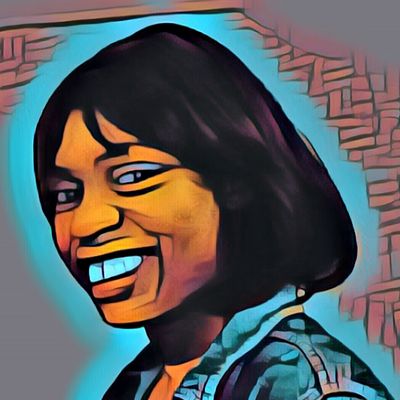 Eyitayo AlimiIndependent
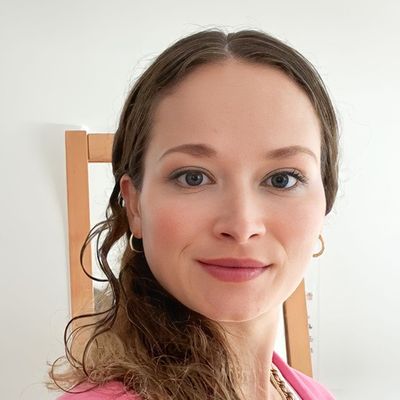 Lisa Babenkoramen ai
 Seng Zhen HongNational University of Singapore
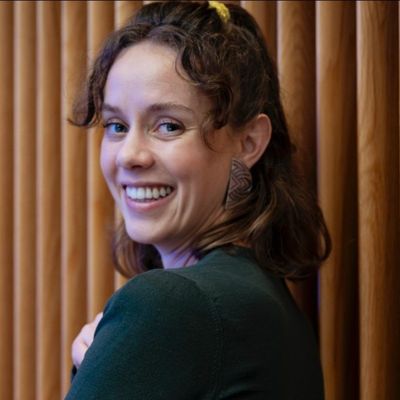 Cecilia RoosSelf-employed
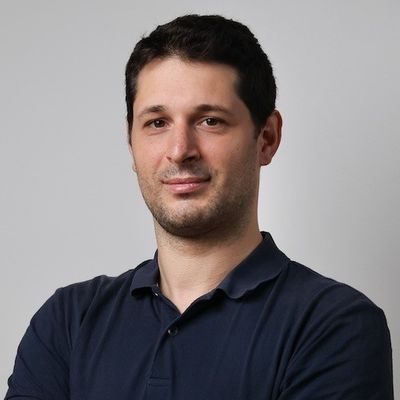 Alcides FonsecaUniversity of Lisbon
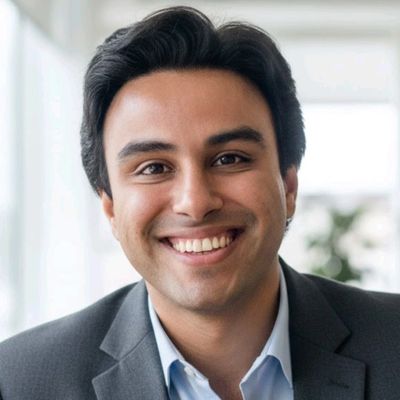 Sankalp GildaDeepThought Solutions
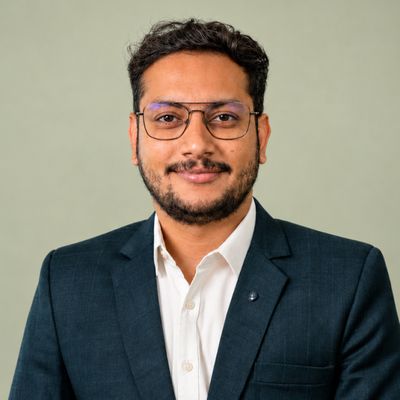 Kunal SinghMATS
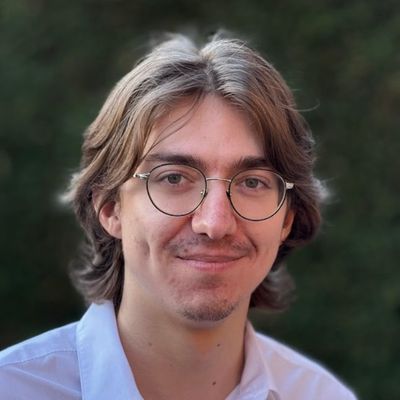 Samuel ŠimkoETH Zurich / EuroSafeAI
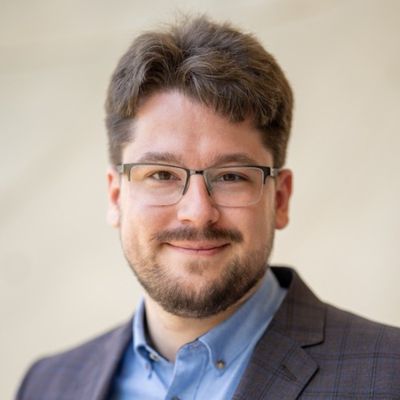 Michał KubiakIndependent
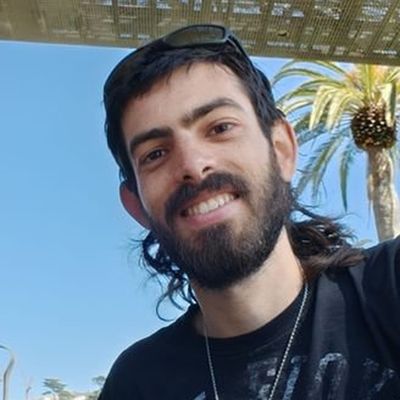 Yoav TzfatiAlignment Hive
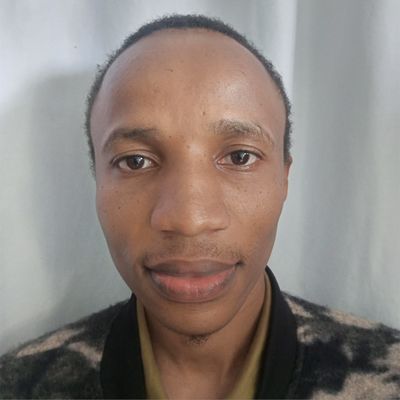 Alex KlausFreelance
- See all mentors and projects
Why
Plenty of research. Few tools in real use.
There is a lot of research and empirical work happening in AI safety, but much less focus on building products and tools.
If one takes both AGI capabilities and risks seriously, a future where AI goes well will require scalable, deployed AI safety solutions.
| Research | Building | |
|---|---|---|
| Capability | AbundantAcademic labs, papers | AbundantStartups, model labs |
| Safety | MATS · SPAR · MARSStrong, research-first | The gapNo tools-first programmeThis fellowship |
What is being done now?
Recent, mostly indirect, focus on AI safety tools and builders:
- Programmes
- Generator Residency · MATS fieldbuilding stream · ERA fieldbuilding stream · BlueDot incubator week · Gen Stream
- VCs
- Halcyon · Juniper · SAIF.vc · Babuschkin Ventures · Fifty Years · Mythos · Lionheart
- Incubators
- Seldon Lab · Surplus · Catalyze Impact
Open globally, with a deliberate effort to bring in builders from underrepresented regions such as India.
Focus areas
Where tools are missing.
We prioritise areas where tools are too few, too siloed or too early:
- Embedded evaluators to monitor frontier LLMs
- Tools for multi-agent safety
- Tools that make interpretability libraries work together
- Incident, flaw and vulnerability reporting tools
- CBRN (chemical, biological, radiological and nuclear) monitoring tools
- Agent standards of various kinds
- Tools to detect and mitigate harms to vulnerable groups
- Tools for epistemic and AI dependency risks
- AI risk underwriting and insurance
- Tools around digital minds (and welfare)
- Tools focused on middle powers / Global South
How it works
4–6 weeks, one shipped artifact.
- Step 1Scope
- Step 2Build
- Step 3Test
- Final weekDemo Day, Further support
Fellows
What will fellows do?
You give
- 4–6 weeks (~10 hours per week recommended)
- Your part in a small team, on a project a mentor has scoped
- Something concrete and open-source, shipped
You get
- Weekly check-ins and feedback from your mentor
- A live artifact that helps ensure AI goes well
- Strong prospective collaborators
We support
- Projects and compute
- Ecosystem connections
- Demo day
What you can build
- Toolse.g. simplified red-teaming tools
- Sandboxese.g. agent boundary tests on Digital Public Infrastructure
- Eval harnessese.g. interactive evals for interaction harms
- Instrumentse.g. an Indic bias leakage probe
- Guardrailse.g. a post-deployment legal answer audit layer
- Protocolse.g. machine-checkable logic for rule-bound domains
- Pipelinese.g. an incident-to-benchmark-to-law gap mapper
- Pluginse.g. rhetoric highlighting wherever you read and write
- Platformse.g. an India AI incident and near-miss reporting dashboard
Example AI safety tools
Call for fellows
Fellow applications are open
Pick a tool you want to exist, and build it in a small team with the mentor who scoped it.
How to apply
- Find a projectBrowse mentors and projects by category.
- Check the fitRead the outcome, team size and fellow prerequisites.
- Apply onceChoose up to three mentors in the form and answer their questions.
Projects need engineers most of all. Some also need fellows from policy and law, design, psychology and cognitive science, or speakers of particular languages. Each project page lists its own prerequisites.
- Application deadline
- 30 November 2026, 11:59 PM Anywhere on Earth
- Fellowship dates
- Tentatively starting the 2nd week of December, running 4–6 weeks (depending on mentor schedule)
- Expected weekly commitment
- Recommended ~10 hours per week over 4–6 weeks